Field Workshop on Pollinator Monitoring & Citizen Science — UFABC
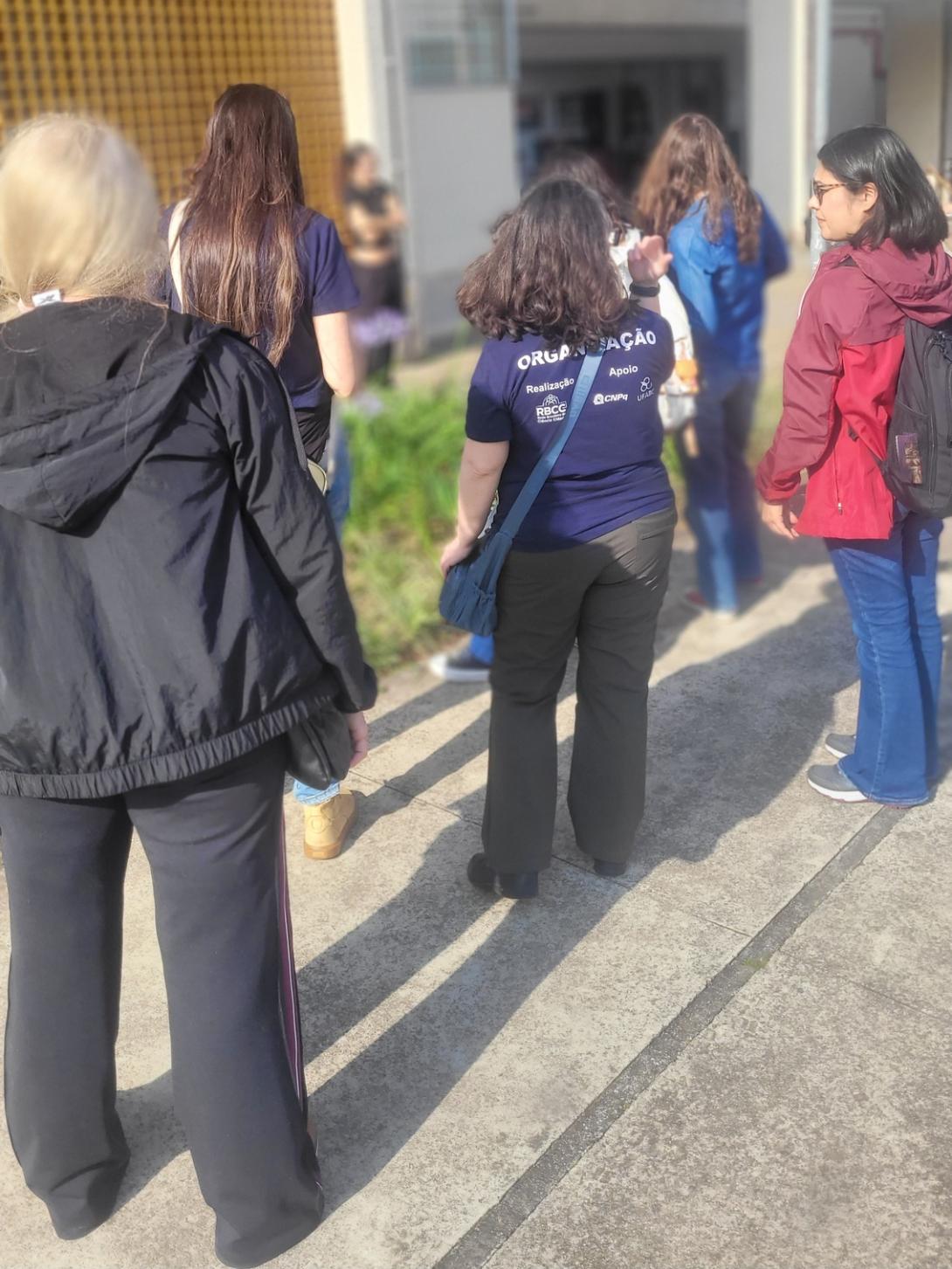
On November 7, 2025, the Ilha do Mel Nativo team participated in the hands-on workshop “Monitoring Pollinators through Citizen Science” at the Federal University of ABC (UFABC), São Bernardo do Campo campus. The activity combined a concise theoretical introduction with practical field observation and citizen-science tools for recording plant–pollinator interactions.
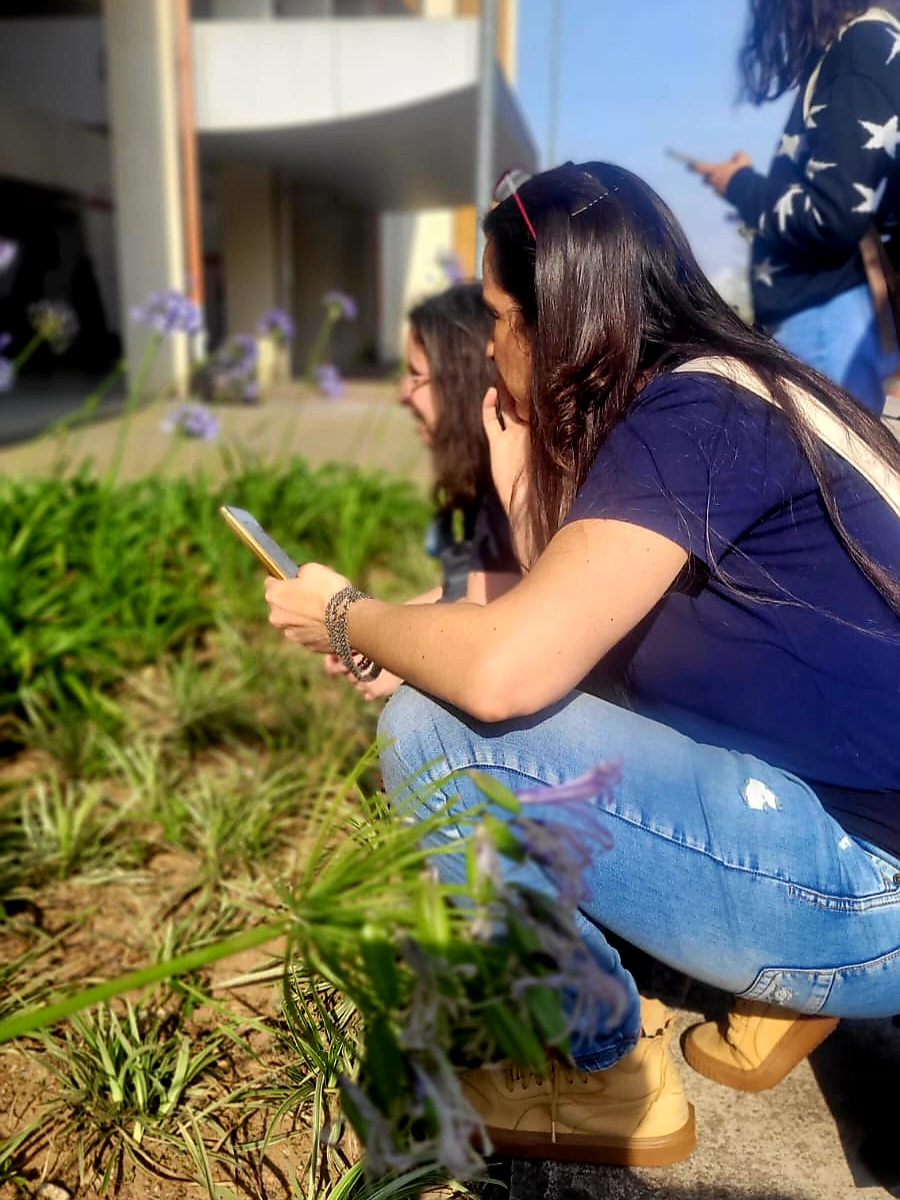
We are grateful to the facilitators Prof. Natalia Pirani Ghilardi-Lopes, Dr. Sheina Koffler, and Maria Eduarda Freitas for creating an open and generous learning environment and for bringing academia and the community together around a common objective: learning how to observe, document and protect pollinators.
The workshop also reflects UFABC’s broader work in citizen science, biodiversity observation, environmental education and public participation in scientific knowledge.
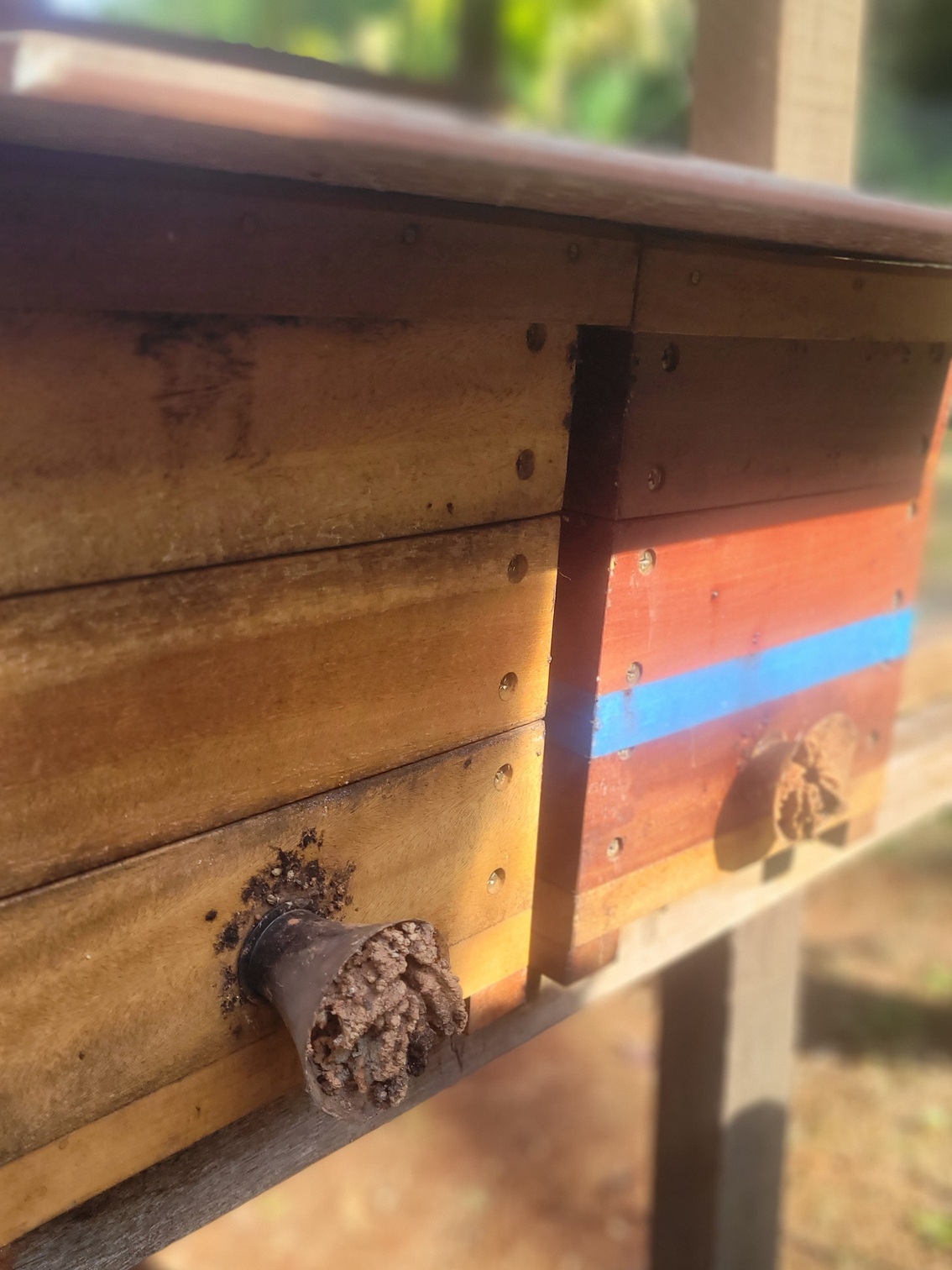
From Theory to Field Observation
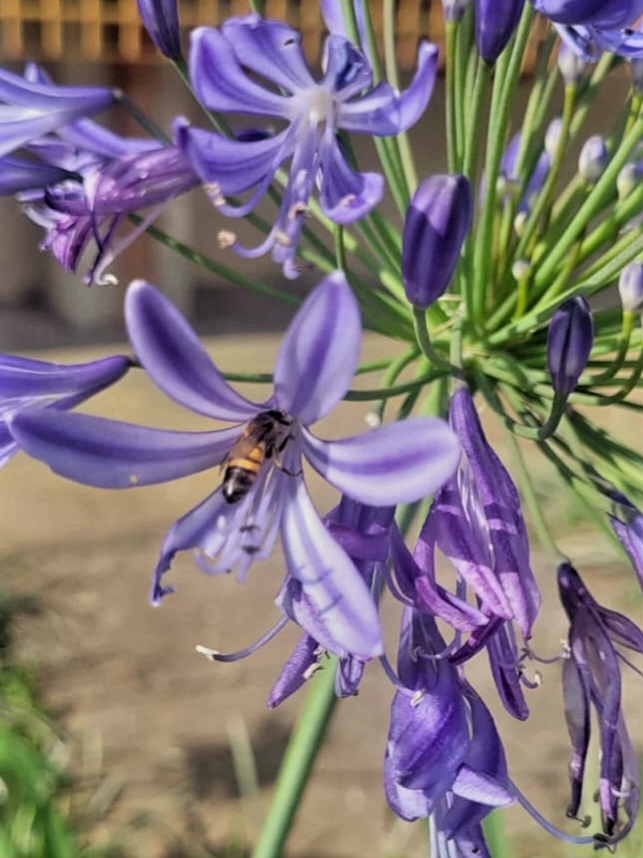
After the introductory session, participants moved outdoors for guided field practice using two complementary approaches: the Guardiões dos Polinizadores platform and app, used to register animal–plant interactions through georeferenced photographs, and the FIT Count protocol, a Brazilian adaptation of the UK Pollinator Monitoring Scheme methodology for timed counts of flower visitors.
These tools allow people without specialist training to participate in structured biodiversity observation while learning to recognize pollinators, flowering plants and ecological interactions in the field. Citizen science can therefore support both environmental education and the production of useful observational data.
Ilha do Mel Nativo in the Field
Representing Ilha do Mel Nativo, Rodrigo Castro, Renata Catena de Castro, and Elizabeth Broch participated in the different stages of the activity, from field observation to data registration.
For our project, this type of practical training is especially important. Protecting native pollinators requires more than awareness: it requires observation, reliable information, environmental education and cooperation between communities, researchers, universities and conservation initiatives.
Citizen Science and Pollinator Conservation
Interest in pollinator conservation and citizen science has expanded significantly in Brazil and across Latin America. New collaborations, capacity-building initiatives and public policies are increasingly emphasizing biodiversity conservation, environmental monitoring and data transparency.
Universities, research networks, environmental organizations and communities are also developing tools that allow members of the public to contribute observations while improving access to biodiversity information.
Ilha do Mel Nativo seeks to contribute locally to this movement by connecting environmental education, community engagement and practical monitoring in Pontal do Sul and the Ilha do Mel region.
Pollinators are essential components of natural ecosystems and are closely connected to plant reproduction, biodiversity, food production and ecosystem resilience.
Continuing the Work
A follow-up online meeting was planned for early December 2025 to review results and discuss the next steps with the network.
The knowledge gained from these activities helps strengthen the scientific and educational foundations of our future pollinator initiatives.
We will continue sharing updates from these activities and inviting new volunteers to participate in future actions involving pollinator observation, environmental education and citizen science.
References & Useful Links
- UFABC — Extension activities (Prof. Natalia P. Ghilardi-Lopes)
- UFABC opportunity: “Citizen science & pollinators”
- Guardiões dos Polinizadores — web platform
- Guardiões app — Android
- Guardiões app — iOS
- FIT Count Brasil — protocol overview
- FIT Count — Android app
- Citizen Science & Pollinators in South America
- Rede Brasileira de Ciência Cidadã (RBCC)
For press inquiries, institutional partnerships or information about volunteering in pollinator activities in Pontal do Sul and Ilha do Mel, please contact the Ilha do Mel Nativo team.
Comentários