Native Bee Honey vs. Regular Honey — Scientific Comparison
Brazil is home to over 250 stingless bee species (Meliponini), many found nowhere else on Earth. These native bees are vital to Atlantic Forest pollination and produce a honey with unique biological and medicinal properties. Below is a concise, science-based comparison with regular honey from the European bee (Apis mellifera).
European Honey Bee — Apis mellifera

Native Brazilian Stingless Bee — Mandaçaia (Melipona quadrifasciata)
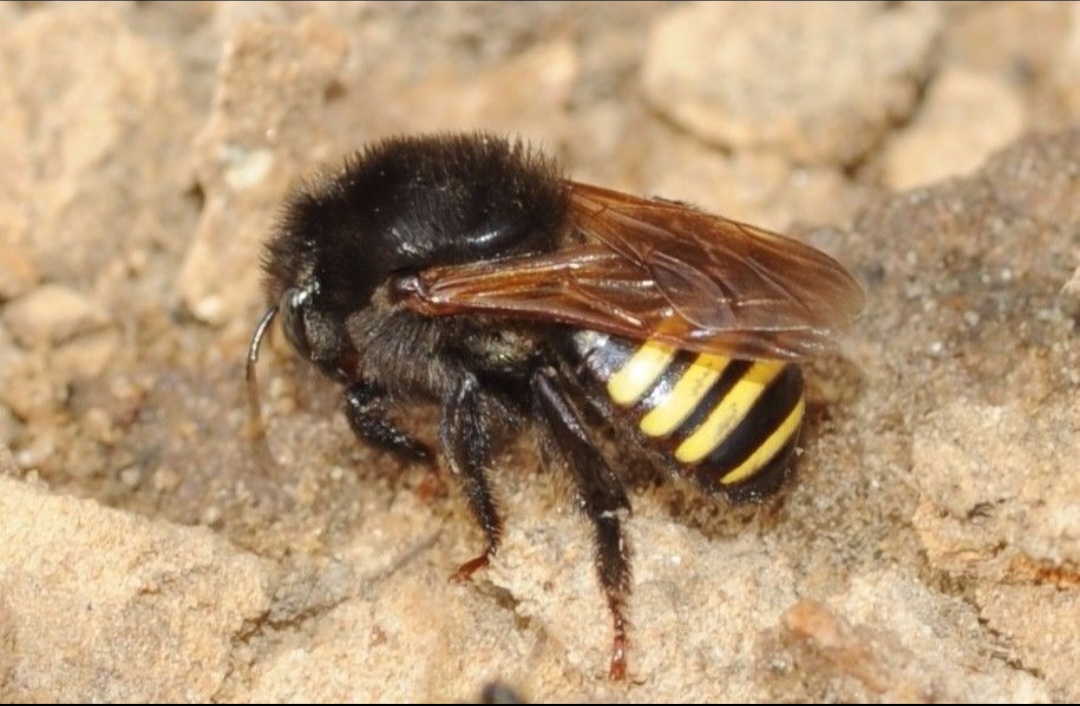
Native stingless bee Mandaçaia (Melipona quadrifasciata), a Brazilian species from the Meliponini tribe, known for its distinctive black and yellow bands. Photo: mel.com.br
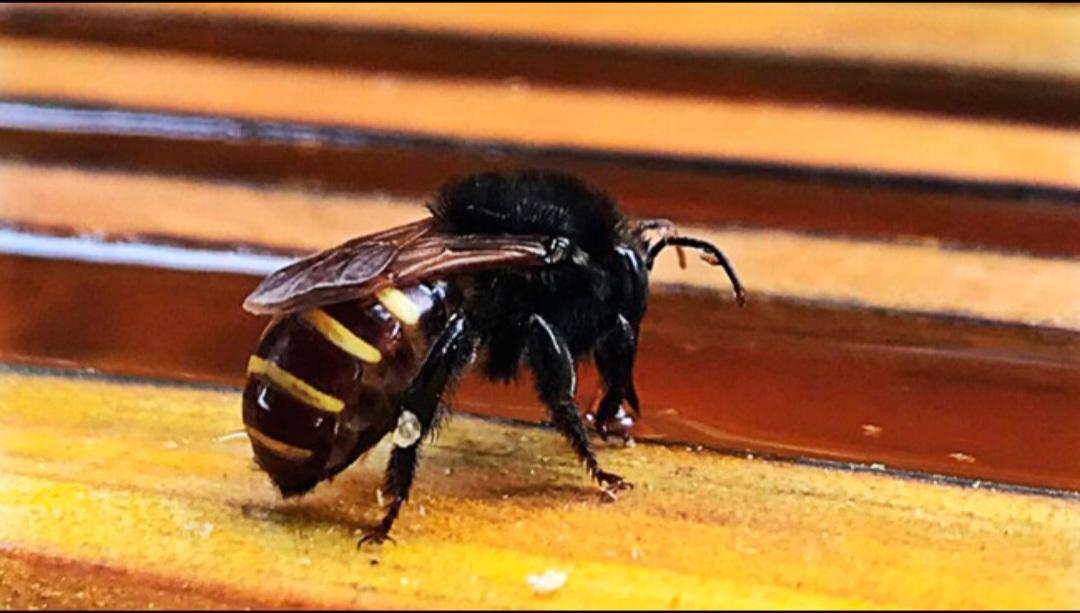
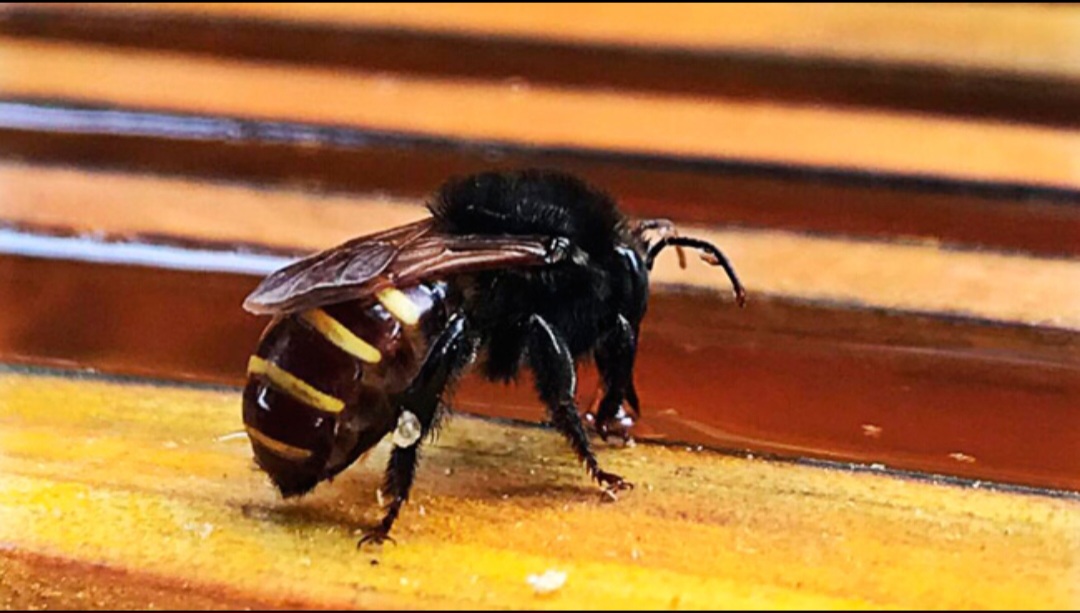
Stingless bee Mandaçaia (Melipona quadrifasciata) observed in wooden hive structure, highlighting its robust thorax and gentle behavior. Photo: mandacaiasocial.com.br
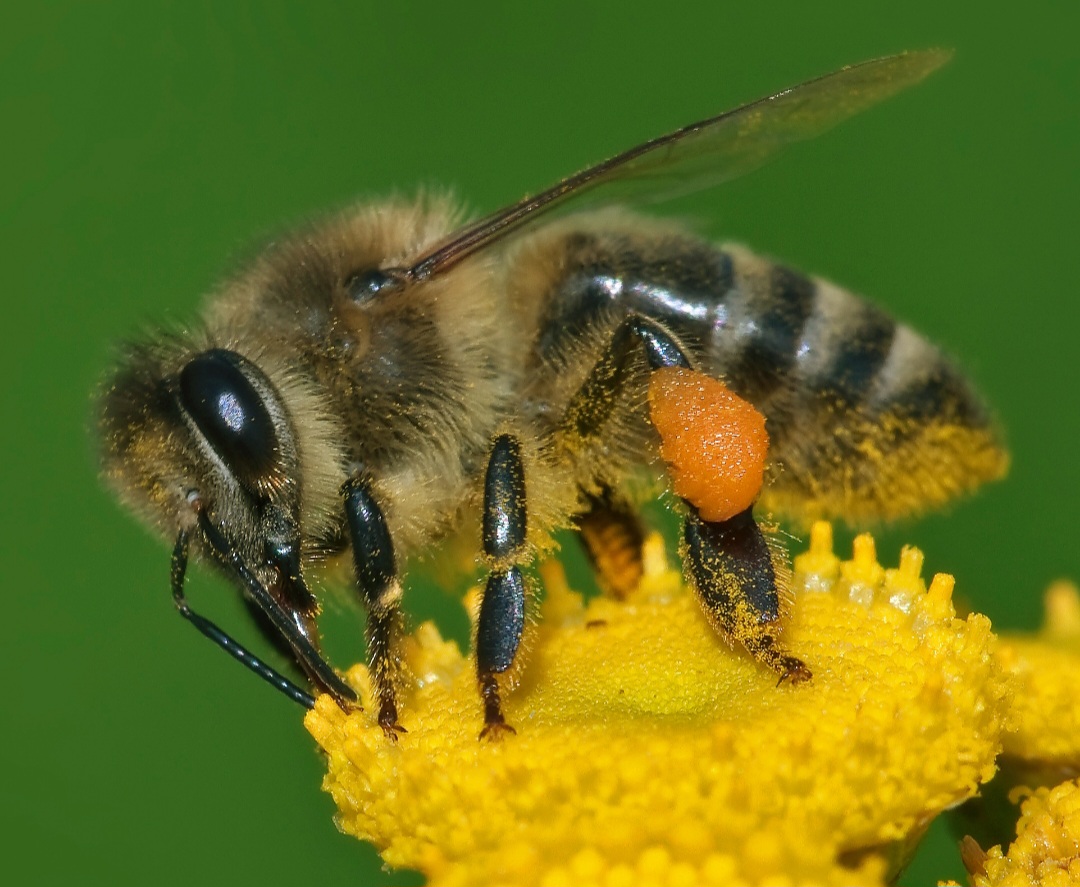
European honey bee Apis mellifera collecting pollen on a yellow flower. Photo: Wikipedia — “Western honey bee”, en.wikipedia.org
European honey bee Apis mellifera gathering nectar from purple flowers. Photo: Wikipedia — “European honey bee extracts nectar”, en.wikipedia.org
| Scientific parameter | Regular honey Apis mellifera | Native bee honey Meliponini (Melipona, Trigona, Scaptotrigona) |
|---|---|---|
| Species origin | Non-native to Brazil; introduced from Europe. | Native South American stingless bees; high species diversity in Brazil. |
| Production scale | Industrial or large-scale feasible. | Small, natural colonies; harvests are limited. |
| Water content | 16–18% | 25–35% (naturally higher; lighter texture) |
| pH (acidity) | 3.9–4.6 | 3.2–4.0 (more acidic; inhibits microbes) |
| Sugar & acids | Fructose + glucose. | Higher fructose; organic acids (e.g., gluconic acid) give a gentle tang. |
| Enzyme activity | Typical diastase/catalase. | Elevated diastase and catalase; linked to antioxidant/repair effects. |
| Phenolics / antioxidants | ~50–200 mg GAE/kg | Up to ~600 mg GAE/kg; strong antioxidant capacity. |
| Antimicrobial action | Moderate. | High activity reported against E. coli, S. aureus and Candida. |
| Storage | Stable at room temperature. | Refrigeration recommended (<10°C) due to natural fermentation potential. |
| Flavor profile | Sweet, uniform. | Complex, floral, citrus/tangy, sometimes resinous. |
| Ecological role | Crop pollination. | Essential for native flora and Atlantic Forest regeneration. |
Notes: Values represent Brazilian research averages. Composition may vary by species, flora, and season.
Scientific findings
- Higher antioxidant and phenolic compounds than most tropical honeys.
- Low pH and enzyme activity inhibit pathogen growth naturally.
- Proven antibacterial, anti-inflammatory, and wound-healing properties.
- Unique bioactive peptides not found in Apis mellifera honeys.
Key references
- Souza, B. A., et al. (2018). Chemical composition and biological activity of Brazilian stingless bee honey: a review. Food Chemistry.
- Biluca, F. C., et al. (2016). Phenolic compounds, antioxidant capacity and physicochemical properties of Brazilian honey from stingless bees. Food Chemistry.
- Vit, P.; Pedro, S.R.M.; Roubik, D.W. (2013). Pot-Honey: A Legacy of Stingless Bees. Springer.
- EMBRAPA — Bees Research
- UFPR — Meliponiculture studies
- USP — Apicultural research
More than a product, native bee honey is a living connection between bees, forest, and people.
Ilha do Mel Nativo — Brazilian Native Bee Honey · Rare. Pure. Healing by Nature.
Comentários