Ilha do Mel

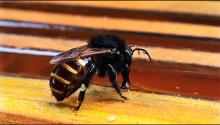
An island of ecological and cultural significance, historically abundant with native stingless bees that inspired its name — “Island of Honey.”
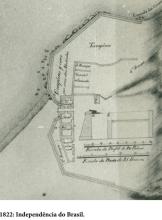
Historical document: Croquis da fortificação da Fortaleza Nossa Senhora dos Prazeres, 1790. Source: Acervo IPHAN/PR. Cited in: CORRÊA, Sandra Rafaela Magalhães; MÜHLBAUER, Clarice Futuro. Conjunto da Fortaleza de Nossa Senhora dos Prazeres e do Morro da Baleia: Ilha do Mel – Paranaguá-PR. Brasília: IPHAN, 2021, p. 32.

Field Workshop on Pollinator Monitoring & Citizen Science — UFABC On November 7, 2025, our Ilha do Mel Nativo team joined the hands-on workshop “Monitoring Pollinators through Citizen Science” at the Federal University of ABC (UFABC), São Bernardo do Campo campus. The session combined a concise theoretical overview with practical field activities and the use of citizen-science tools to record plant–pollinator interactions.
Native Bee Honey vs. Regular Honey — Scientific Comparison Brazil is home to over 250 stingless bee species (Meliponini), many found nowhere else on Earth. These native bees are vital to Atlantic Forest pollination and produce a honey with unique biological and medicinal properties. Below is a concise, science-based comparison with regular honey from the European bee (Apis mellifera).